
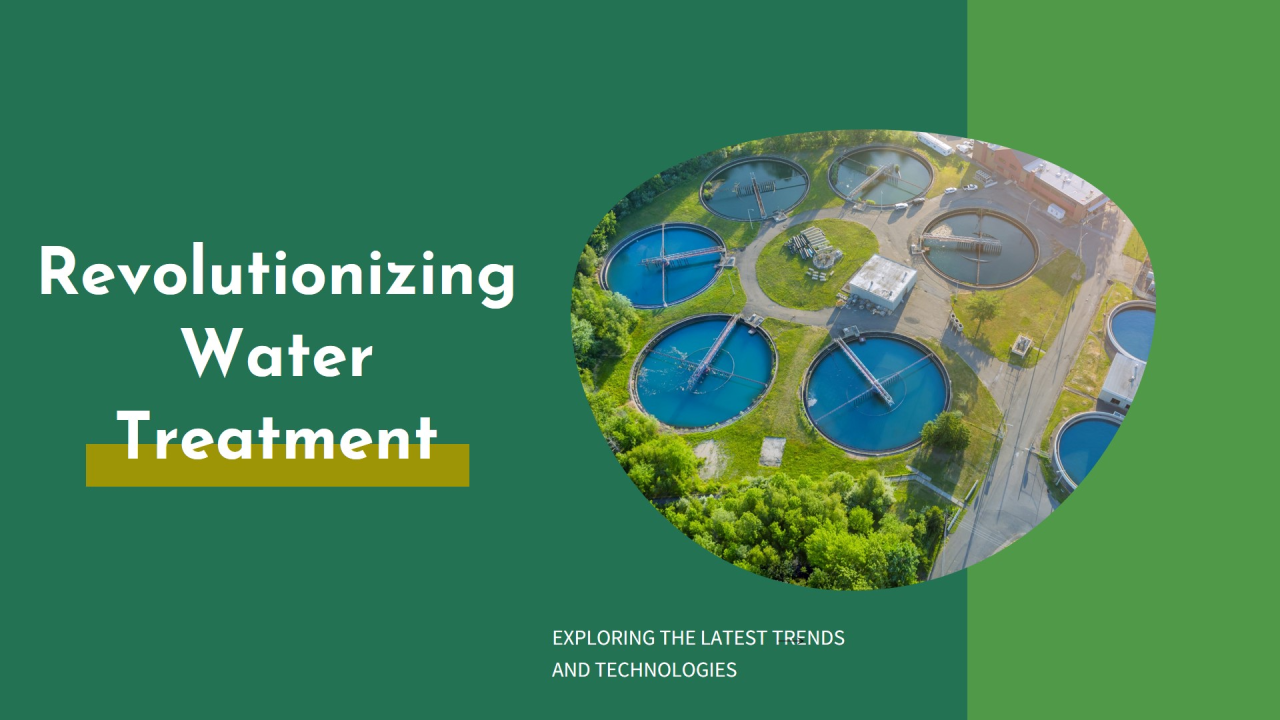
By 2025, water scarcity has become one of the most pressing global challenges, affecting billions of people across multiple continents. With climate change intensifying droughts, population growth straining freshwater resources, and industries requiring ever-increasing water supply, the need for innovative solutions has never been greater. Enter Water Tech 2025—a movement of groundbreaking technologies, strategies, and policies designed to mitigate shortages and create sustainable access to clean water for all.
Interestingly, just as industries such as gaming and digital platforms (like togelslot88 login) leverage cutting-edge technology to enhance user experience, water technology is also being reimagined with the help of AI, IoT, and sustainable engineering. Let’s explore the innovations shaping the water future in 2025.
Smart Water Management Systems
One of the key breakthroughs in 2025 is the integration of smart technologies into water infrastructure. Cities worldwide are adopting IoT-powered sensors and AI-driven analytics to monitor water distribution networks in real-time. These systems can detect leaks, measure consumption patterns, and optimize delivery routes, ensuring minimal wastage.
For example, in Singapore, smart meters are now embedded in households, enabling residents to monitor their usage and receive alerts about unusual consumption. This innovation not only conserves water but also empowers citizens to make eco-friendly decisions.
The concept mirrors digital ecosystems such as togelslot88 login, where data-driven systems streamline processes and improve user accessibility. Both highlight how interconnected digital frameworks can revolutionize traditional services.
Advanced Desalination Technologies
Desalination has long been a solution to water scarcity, particularly in arid regions. However, traditional methods were often energy-intensive and costly. By 2025, significant advancements have transformed desalination into a more efficient and eco-friendly process.
Key Improvements in Desalination:
-
Membrane Innovation: Next-gen graphene oxide membranes allow faster filtration while using less energy.
-
Solar-Powered Plants: Renewable energy integration drastically reduces operational costs.
-
Brine Management Solutions: Advanced recycling systems now minimize harmful environmental discharge.
Nations like Saudi Arabia and Israel are pioneering these technologies, providing models for global replication.
Water Recycling and Reuse
Another major development in Water Tech 2025 is the expansion of water recycling programs. Cities are adopting “toilet-to-tap” systems where wastewater is purified through multi-step treatments—UV radiation, reverse osmosis, and advanced filtration—to make it drinkable again.
California, for example, has become a leader in this field, turning wastewater into potable supplies to combat droughts. This recycling effort demonstrates how perception and technology combine to shift societal norms, proving that sustainability is possible with the right infrastructure.
Atmospheric Water Harvesting
In 2025, atmospheric water harvesting has moved from experimental to scalable reality. These systems extract moisture directly from the air, even in desert environments, using advanced nanomaterials that maximize condensation efficiency.
Startups in India and Africa are deploying low-cost units that can provide up to 20 liters of drinking water per day, powered solely by solar energy. This approach is particularly vital for rural areas where infrastructure is limited.
AI and Predictive Modeling for Water Security
Just as industries like online platforms (togelslot88 login) use algorithms to predict user behavior, AI is now being used to forecast droughts, floods, and water demand with unprecedented accuracy. By analyzing satellite data, climate models, and historical consumption trends, governments can prepare for shortages before they happen.
This predictive capacity ensures that water storage, distribution, and conservation efforts align with future needs rather than reacting only after crises emerge.
Sustainable Agriculture and Irrigation
Agriculture consumes roughly 70% of the world’s freshwater resources. By 2025, precision irrigation systems have become mainstream, helping farmers drastically reduce water usage while increasing yields.
-
Drip irrigation with AI sensors ensures crops receive water exactly when needed.
-
Hydroponics and vertical farming reduce land use while recycling water efficiently.
-
Drought-resistant crops developed through biotechnology require less irrigation.
Such measures not only combat shortages but also promote global food security.
Public Awareness and Policy Innovation
Technology alone cannot solve the global water crisis; public engagement and strong policies are essential. Countries are now implementing strict water-use regulations, incentivizing industries to adopt recycling technologies, and running campaigns to educate citizens about conservation.
For example, schools are introducing sustainability curriculums, teaching children how their daily choices impact water resources. This cultural shift ensures that technological innovation is supported by behavioral change.
Challenges Ahead
Despite progress, challenges remain:
-
High costs of deploying cutting-edge technologies in low-income countries.
-
Geopolitical tensions over transboundary water resources.
-
Public skepticism toward recycled water systems.
Overcoming these hurdles will require collaboration between governments, private companies, and global organizations.
Water Tech 2025 represents hope in the face of scarcity. From smart water grids and desalination to atmospheric harvesting and AI-driven forecasting, humanity is deploying its best innovations to ensure a sustainable water future.
Just as digital industries evolve through platforms like togelslot88 login, water technology thrives on innovation, connectivity, and accessibility. The next decade will be crucial, and with the right strategies, we can turn water shortages into opportunities for global resilience.
Read Also: Electric Everything: Mobility Trends in 2025







0 Comments